
James Laver was a museum curator for the Victoria and Albert Museum in London from the ‘30s through the ‘50s. He was also a fashion theorist and historian who conceived Laver’s Law — an attempt to make sense of the fashion trend lifecycle.
Here is Laver’s Law:
| Indecent | 10 years before its time |
| Shameless | 5 years before its time |
| Outré (Daring) | 1 year before its time |
| Smart | Current Fashion |
| Dowdy | 1 year after its time |
| Hideous | 10 years after its time |
| Ridiculous | 20 years after its time |
| Amusing | 30 years after its time |
| Quaint | 50 years after its time |
| Charming | 70 years after its time |
| Romantic | 100 years after its time |
| Beautiful | 150 years after its time |
Stanley Marcus, the former president of Neiman Marcus, recounts in his memoir Minding the Store how Laver’s Law was used by Neiman Marcus clothes buyers in the late 60’s. There was a heated internal debate on whether the trend for that next year would still be the mini skirt (which was the current fashion) or the longer midi skirt. Marcus asked Laver point blank if the mini skirt was dead. Laver told him that the mini skirt had at least another 2 years to go — against expert opinion at the time.
His forecast was right, the midi was a complete flop, many women continued to wear the miniskirt, and those who couldn’t or wouldn’t make up their minds went into the pants suit. Pants were bound to come, but the skirt-length controversy made pants acceptable at an accelerated rate.
The brilliance of this timeline is that it can be applied to nearly all creative mediums — not just fashion but also art, design, architecture, and even music. Smart, or Current Fashion, doesn’t have a particular time frame attached to it. Something can be smart for 1 year or a even few years.
Think back to some of the trendy things of the past and you’ll see how it applies: candy colored iMacs, Victorian wallpaper, Emigre fonts, Disco, Sears homes of the 1920’s, Preppy clothes, Atari video game box covers, and Braun products of the late-50’s early 60’s.

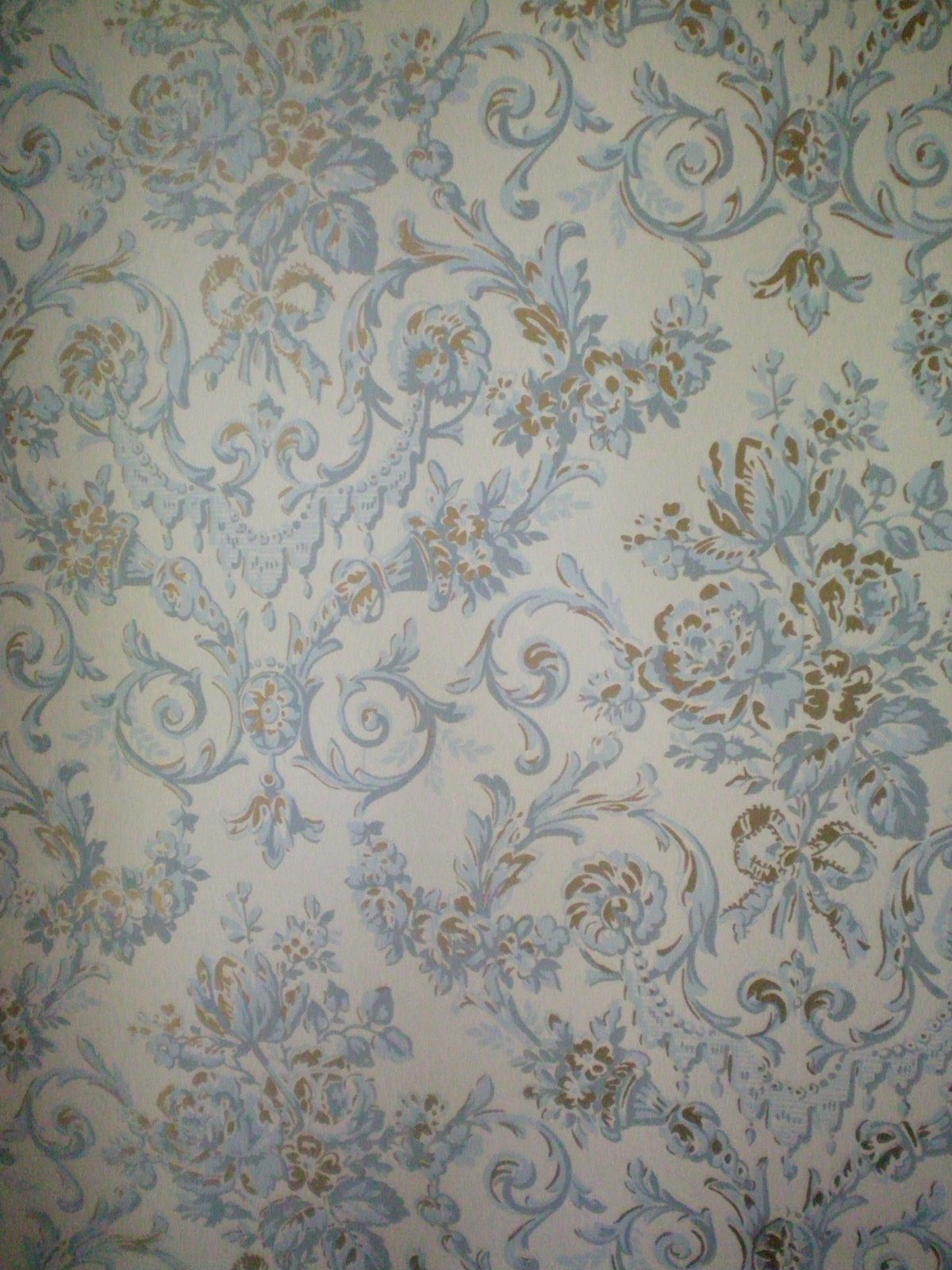

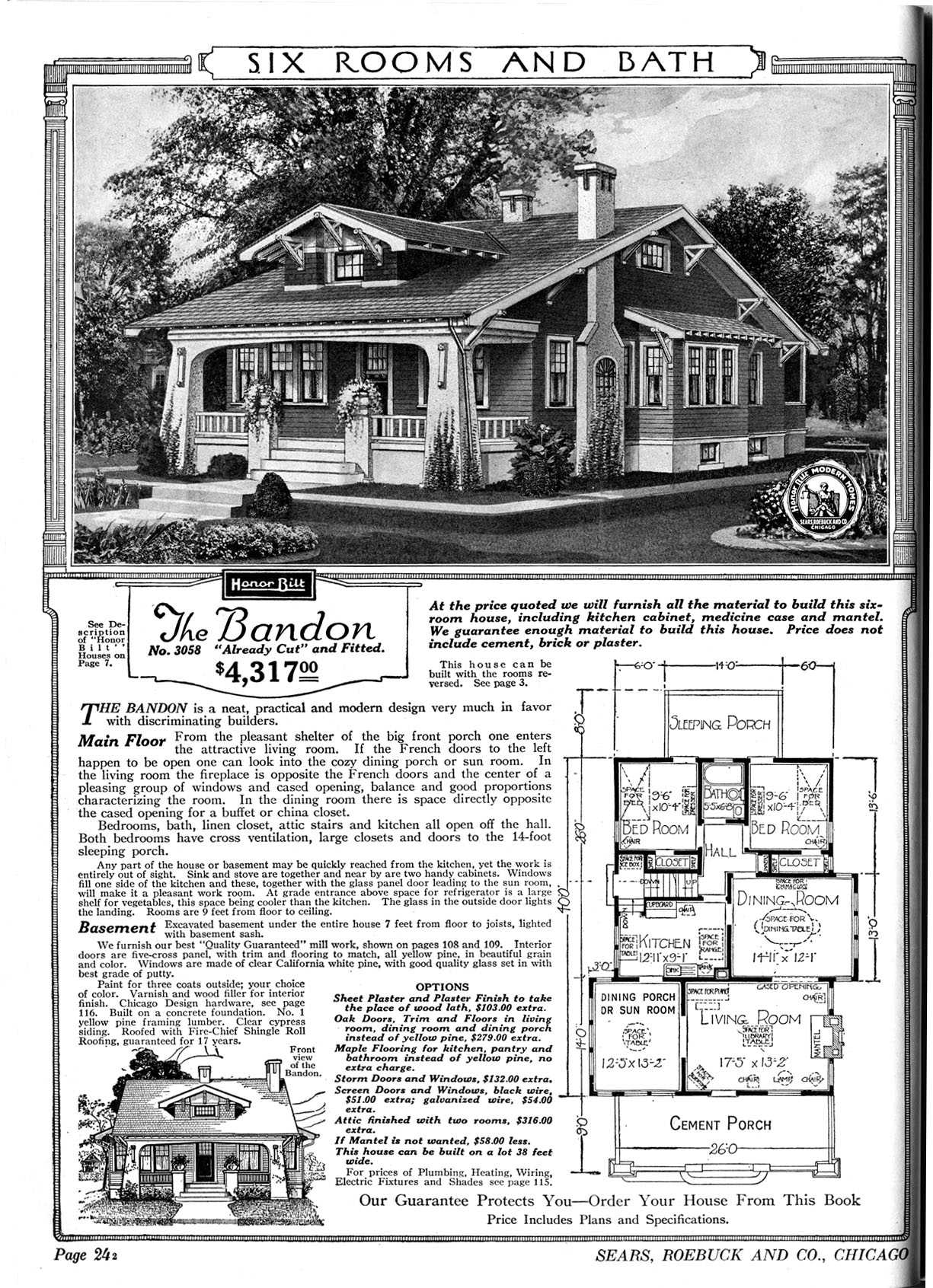
Hitting that sweet spot around Daring and Smart when you’re trying to design, create or sell something is crucial. There’s even a market for Dowdy too, right? Just look around at your local mall or shopping center. Just remember that in a few years it’ll start to look bad. In 10 years it’ll look REALLY bad. Then, after some time, it will be appreciated — or even revered — again. I take comfort that something like Comic Sans (theoretically) will have a shot at being beautiful in 100 years time.
Ben
on 26 Jul 10But since Comic Sans has never been considered “Smart” by designers, will it ever have a shot at being beautiful? I think the lifecycle is different if something was never actually considered to be a good design even in its time.
I think design failures like Comic Sans or velvet paintings or those plastic testicles that go on cars must be exempt from Laver’s law.
JD
on 26 Jul 10Ben, it is possible that those are simply so far ahead of their time that somehow the Laver’s space-time continuum was been turned on its head. See you in 150 years or so.
GeeIWonder
on 26 Jul 10Does this imply a duration for the ‘Smart’ period? An infinitesimal duration makes no real sense, and neither does an indefinite one, at least when faced with the same half-life (at the tails at least).
I think it’s just a nice narrative but the substance is lacking (outside confirmatory evidence of course). Certainly I doubt the value (but not the entertainment) of applying this outlook to all ‘creative mediums’ (which also seems redundant, by the way, but that’s another rant).
Speaking of the 30s and 50s (and the original intent), where do fedoras fit?
Jed
on 26 Jul 10Yeah, but the Internet has dramatically increased the velocity at which we discuss, and therefore evaluate, aesthetics. The numbers are all scrambled now.
If you’re a Spanish nihilist, this may have dire consequences. See: http://www.youtube.com/watch?v=6pGbMJrXvLo
Also, no fedoras.
AAK
on 26 Jul 10I don’t want to be “smart”. I’d have to keep up with the trends and change every year. I’d like to be romantic / beautiful, and just stay that way. Kind of like Google or Craigslist.
Justin
on 26 Jul 10Scrambled or accelerated as they may be by instant digital info-swapping, the ratios must remain intact. This cycle is all the more important these days; these days, everything is fashion.
Martial
on 27 Jul 10Exploring a thought here. Our own aesthetic appreciation has a tendency to form somewhere in our late teens or early twenties. It also has a tendency among many people to become fixed at that point. (Yes, I know most of the creative folks who frequent SvN would never allow themselves to be trapped in ruts like that.)
I’m in my 40s, and I came of aesthetic age in the late 1980s-early 90s (my period of “smart”), therefore the 70s look hideous, the 60s ridiculous, the 50s amusing, the 30s quaint, the 10s charming, etc. Going the other way, culture begins to look shameless by the late 90s and indecent in the new millennium.
Seems about right and appears to describe why it is impossible for me to have any sort of serious conversation about music with someone ten years younger than I am. It also describes why your kids look insane – they are indecent to you, but you’re either ridiculous or amusing to them. (I hasten to add that I happen to be extremely open-minded; this pattern in no way describes me. Just everybody else.)
W
on 28 Jul 10Fashion is short-lived. Style is timeless. I prefer items that looked great in the 1930s and still look great today.
patrick
on 29 Jul 10where would one put “retro”?
i would argue it’s in the 25-30 year timeline, but more accepted than “amusing” if only for a short period of time. then the thing reverts back to dowdy instead of continuing toward beautiful in a linear fashion.
also, not all things earn retro status – only when certain circumstances occur.
patrick
on 29 Jul 10mustache anyone?
Bauke
on 30 Jul 10@patrick: No thank you, I’ve got one already.
This discussion is closed.